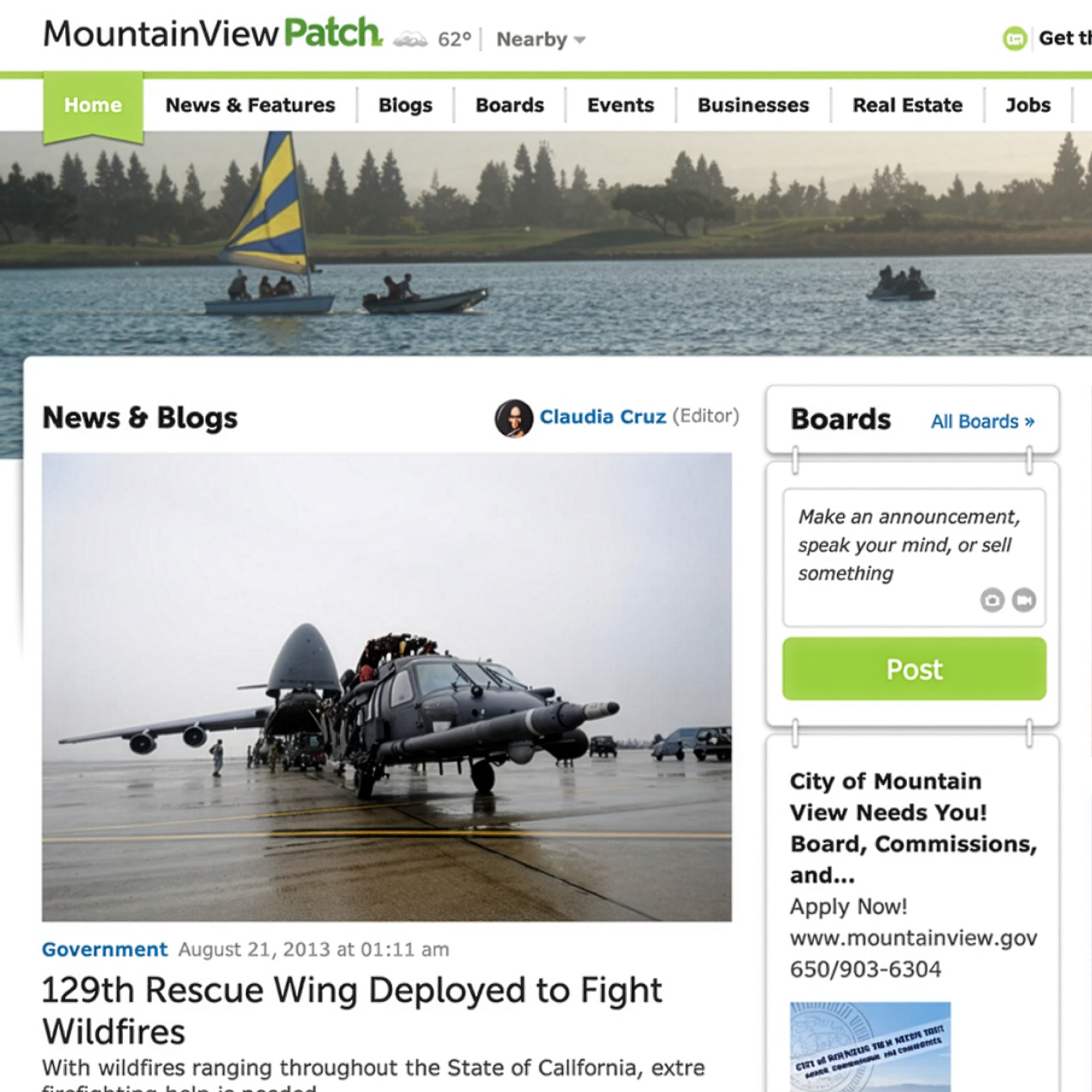
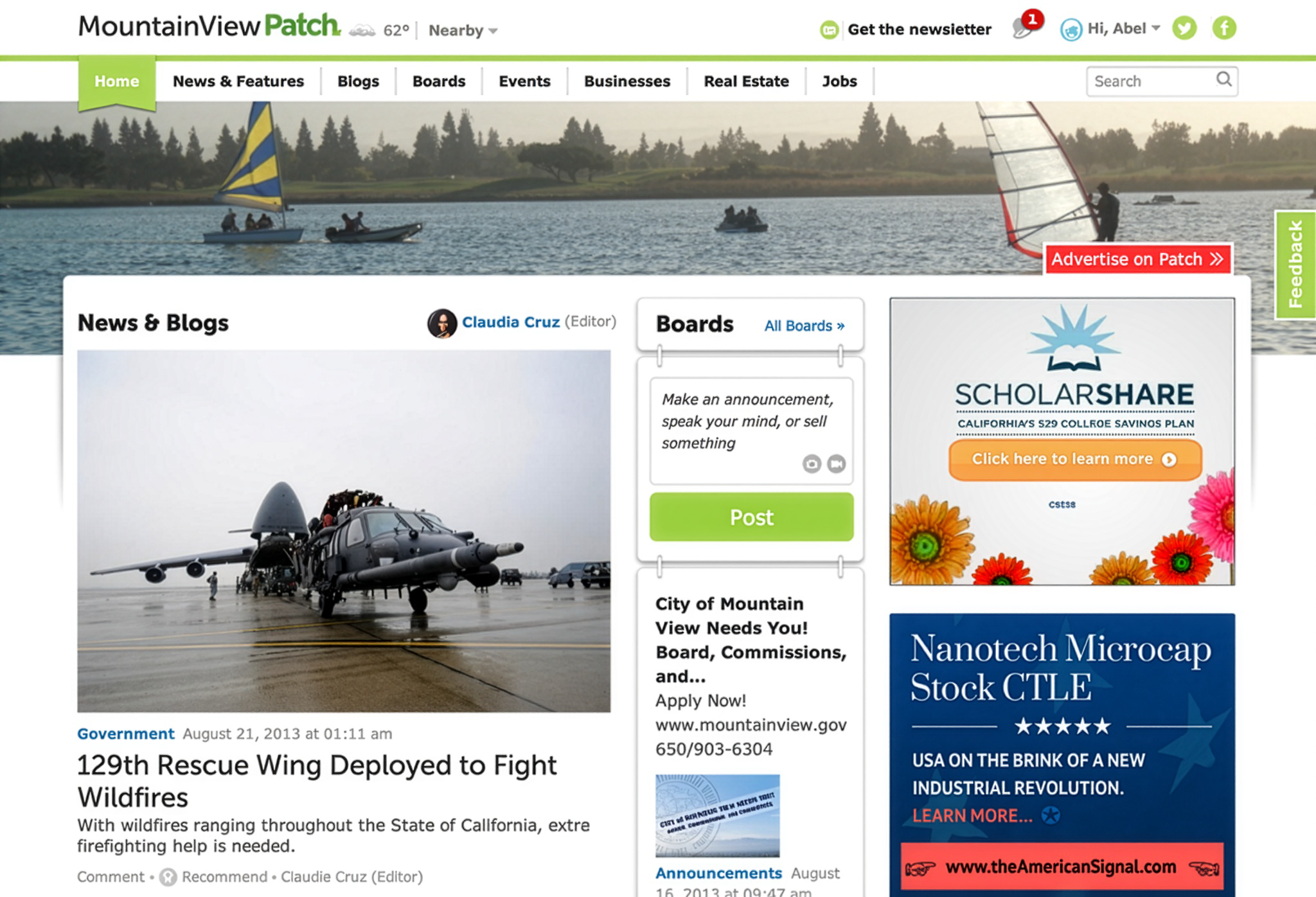
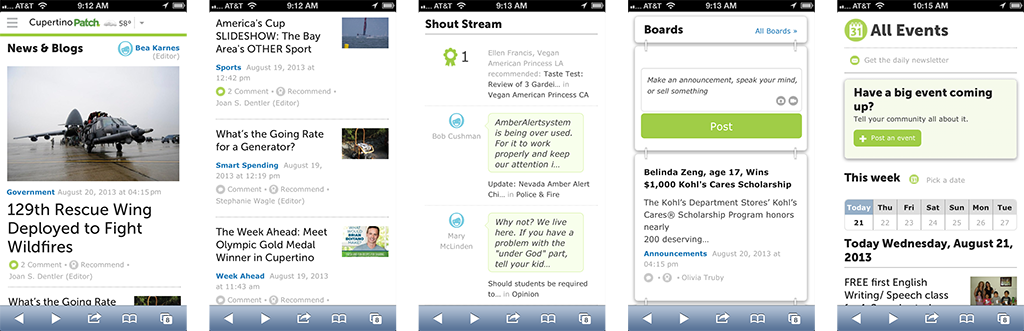
AOL Patch website and CMS

“Don’t fuck up the news”

Patch was a media brand and content platform offering local news in more than 800 communities nationwide. I was brought on to re-architect the user experience to embrace user content alongside original reporting from local editors in order to expand the number of towns we could serve. Think Facebook groups (but better designed) with elevated editorial content and local self-serve advertising… all while retaining respect for the well loved news content. I directly managed the 10 person product design team, oversaw creative for the 8 person marketing team, partnered closely with the Patch C-suite and met regularly with the CEO of AOL. I partnered with engineering and product to build the new platform and at the same time travelled nationally to explain the changes to over 1000 editorial staff and advertising salespeople on the ground. We also performed extensive ethnographic and UX research, built out visual design and brand voice style guides and managed agencies on side projects.
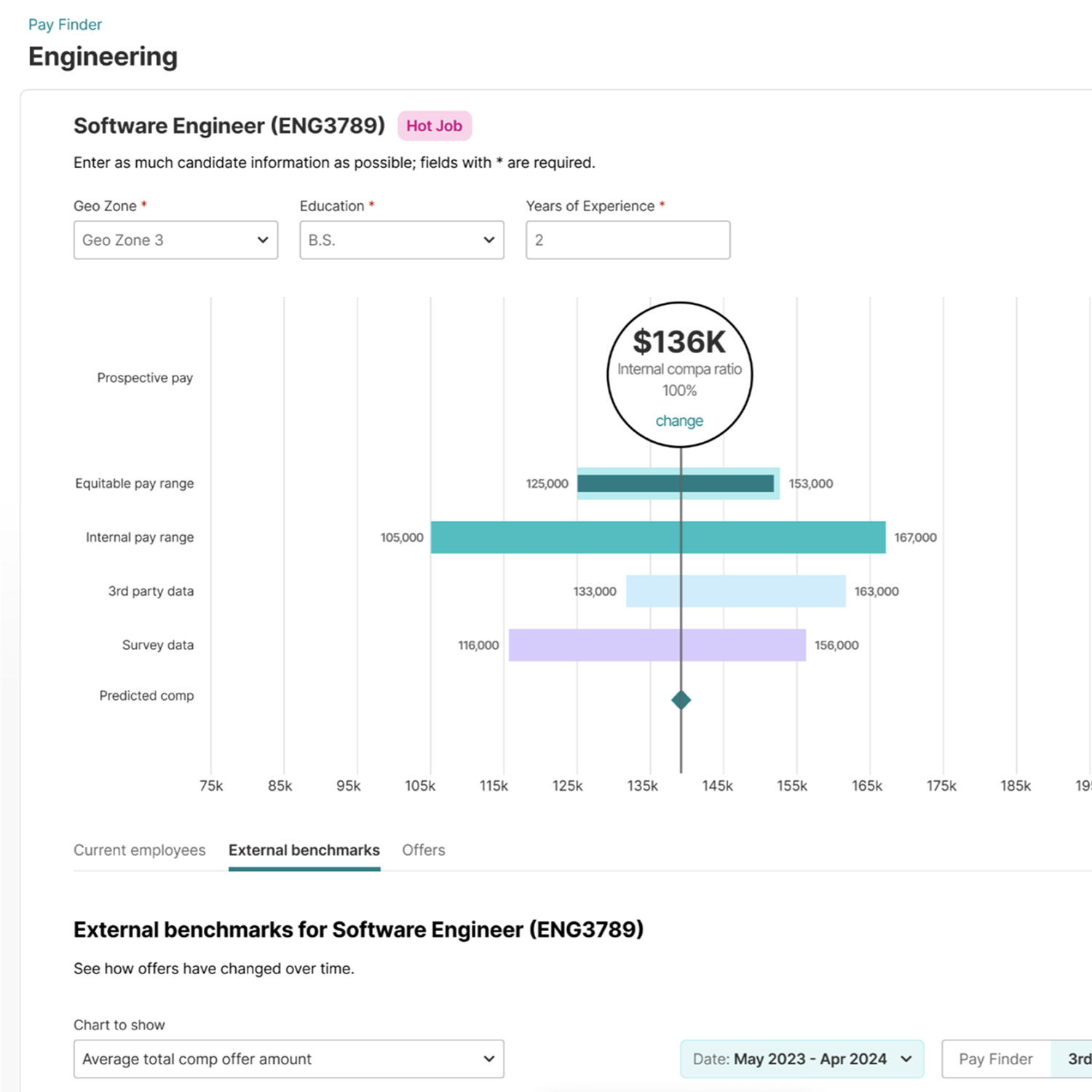
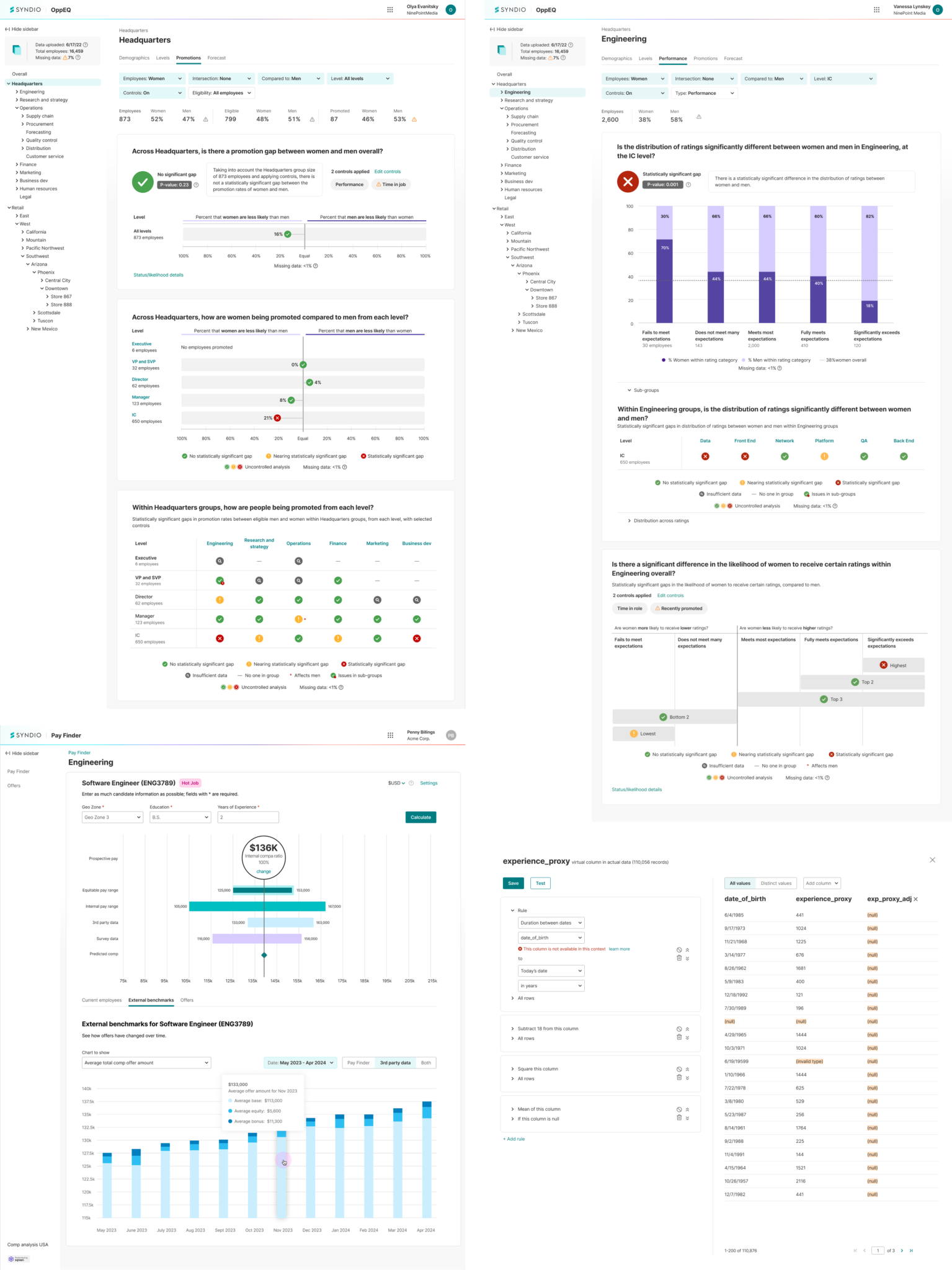
Syndio product design and data visualization

Growing an equitable pay platform

Syndio promotes fairness in the workplace by helping companies analyze and improve on equal pay, pay policy, representation, and career paths for women and underrepresented minorities. Centered on applying regression analysis to labor economics data, the products had complex UIs with profound cultural and legal implications. In addition to hands-on design, as a principal I collaborated across the entire org, advised leadership, led critical initiatives, and mentored designers and product managers. We delivered several new products, a well documented storybook design system, platform strategy, ML strategy, a support chatbot, and an ever growing set of complex, high stakes data visualizations. I also delivered extensive research on data integration, a complex data integration workflow, and a powerful data transformation UX.

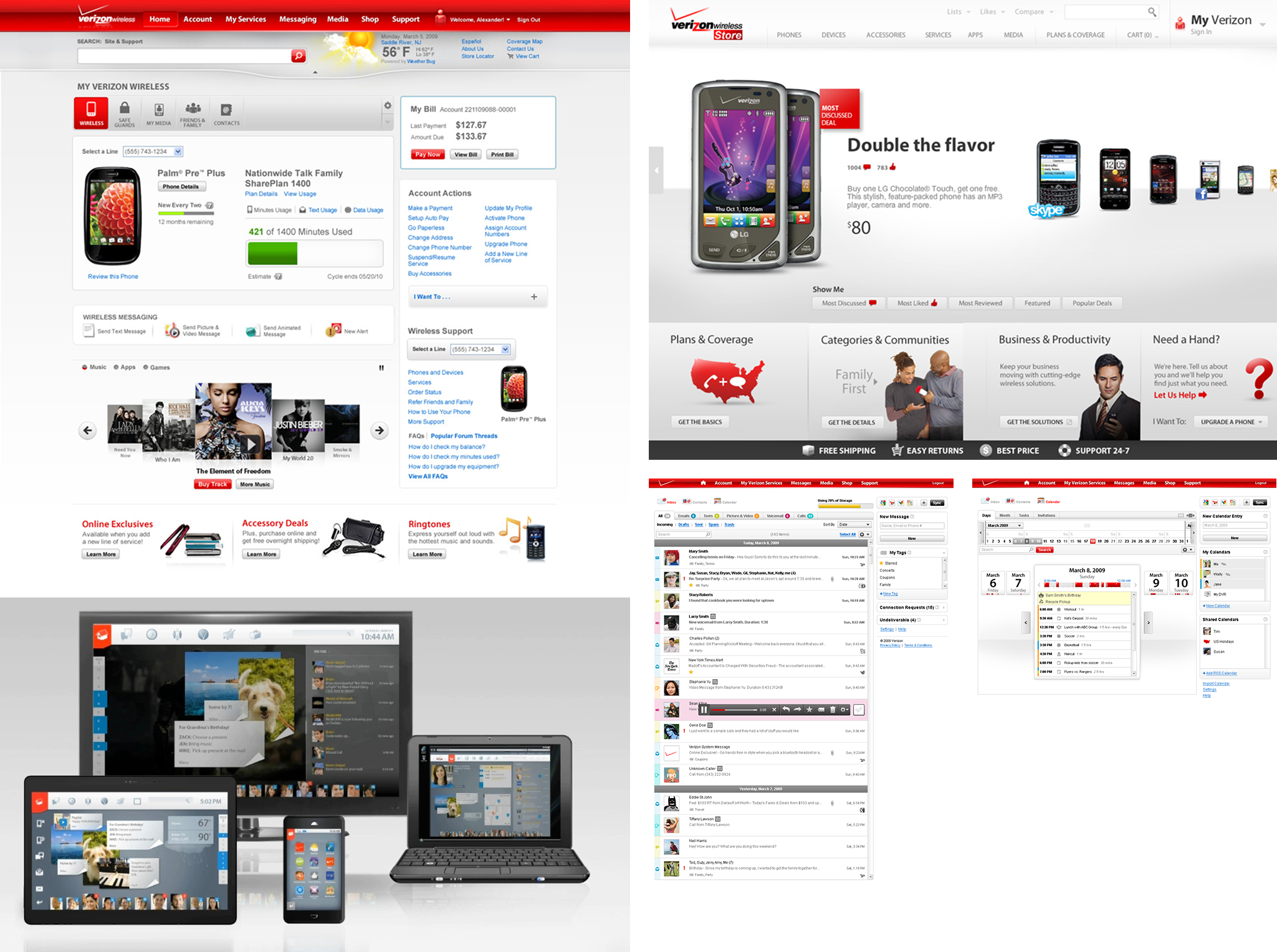
Verizon self-service and ecommerce

“Bell Atlantic”

I was an interaction design director on the 135 person team at R/GA that managed the web presence for the former Baby Bell, now grown into the nation’s largest wireless carrier. I managed and mentored 11 UX designers on the Verizon team in a role that mirrors that of a present day product manager – estimating project cost, planning roadmaps, and specifying features in addition to designing wireframes and building prototypes. I led key initiatives personally, including redesign of their main self service portal, the exceptionally complex ecommerce workflow, an integrated messaging and productivity platform, and a skunkworks vision project charting Verizon’s role in the future of consumer tech. We performed extensive user research across the country, including user testing, focus groups, ethnographic studies, card sorts, and quantitative surveys. I collaborated extensively with all levels of stakeholders to deliver information architectures and change management plans as their business became more digital.

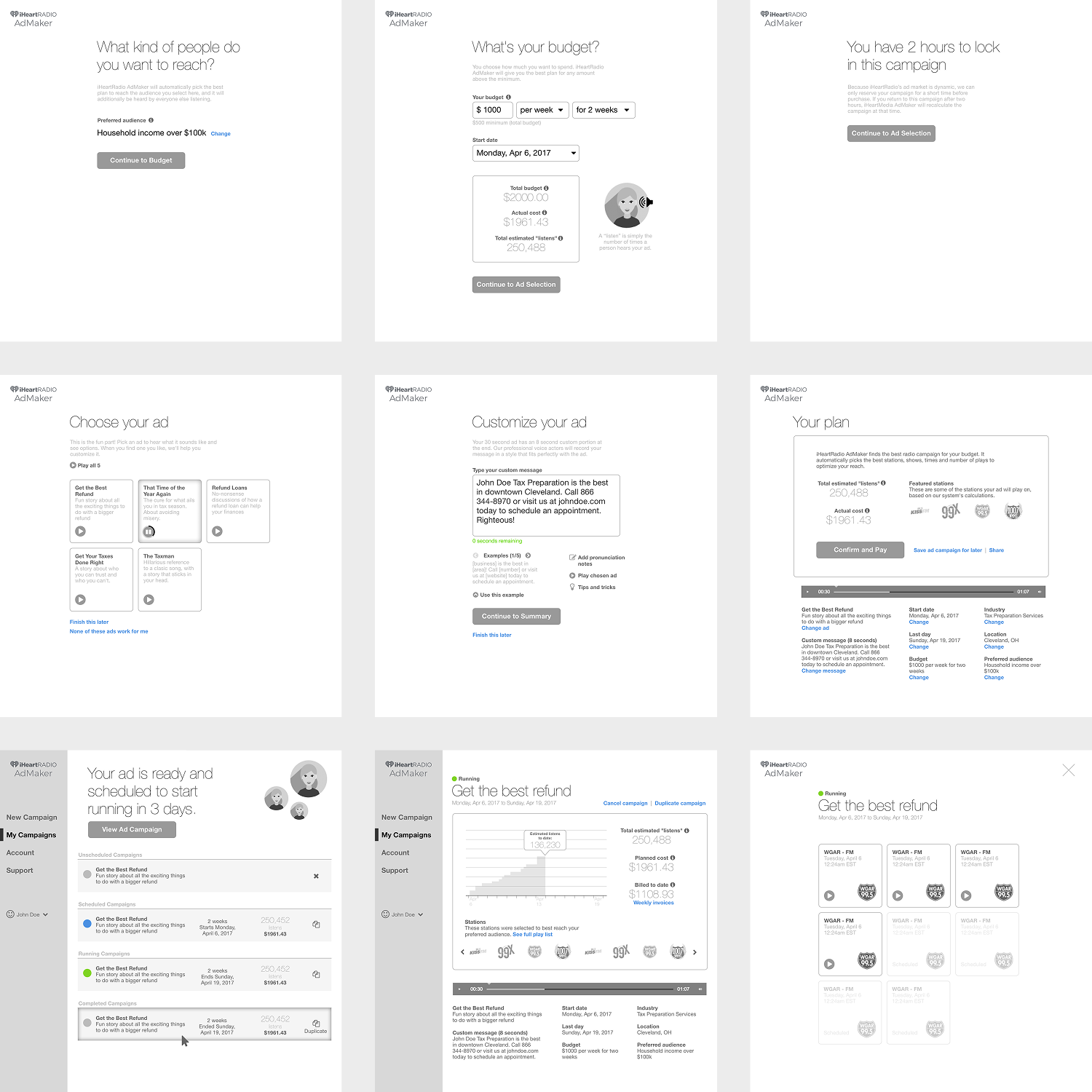
iHeartMedia self-service ad platform

“The radio craze … will soon fade.”

—Thomas Edison, 1922

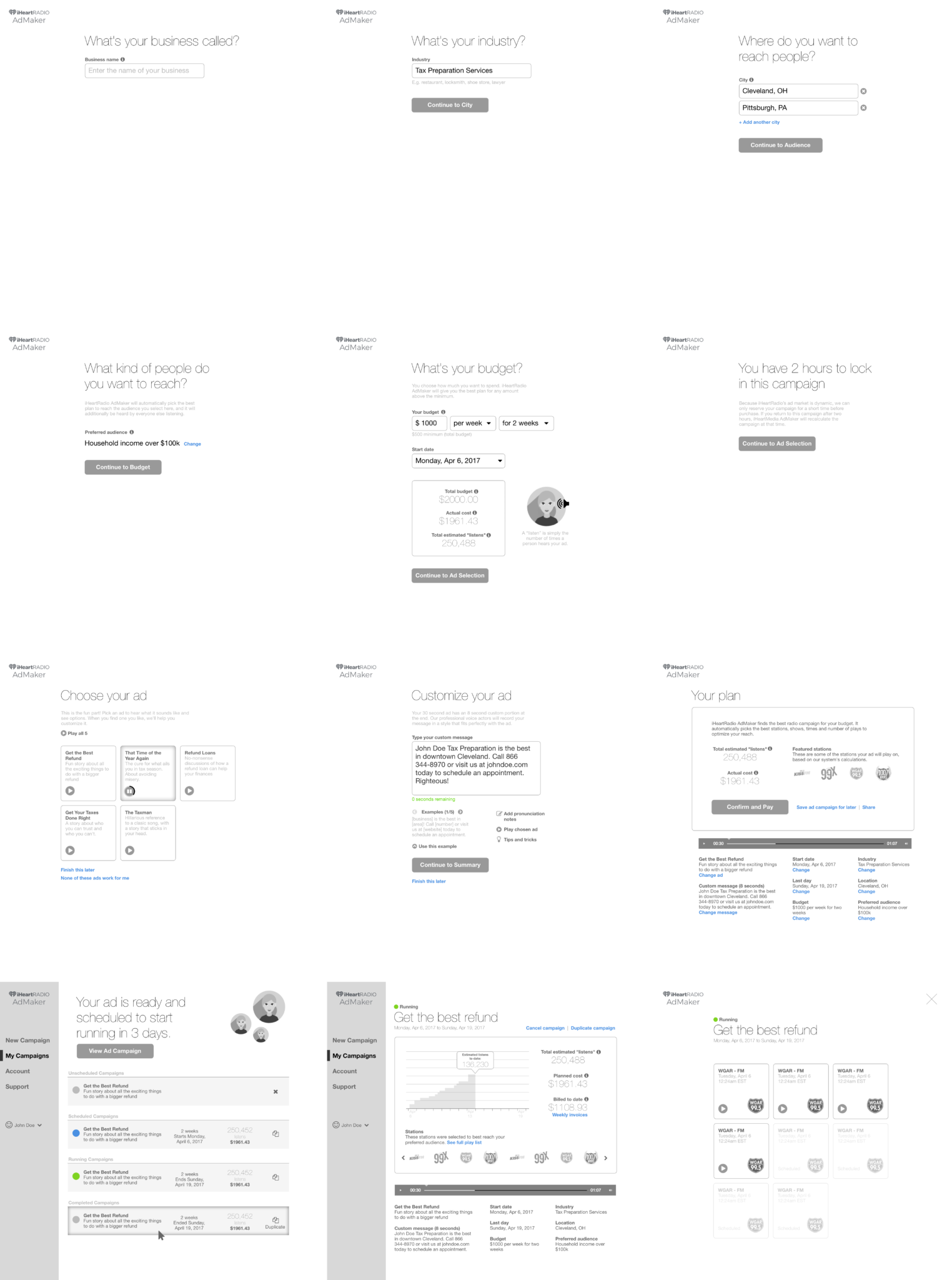
Wrong then, and still wrong today. “Terrestrial” radio remains popular even as it transitions to streaming, and audio content and advertising are only growing. IHeartMedia needed to expand targeted radio advertising to a much wider field of smaller advertisers by reducing the overhead costs and pricing for radio ads. Our small team delivered a 0-1 design and spec for a self-service audio advertising platform that would offload content creation from small businesses, simplify market selection, track and verify campaign runs, and manage budgets based on results. It had a super simple wizard UI with limited, intuitive choices on each step and help easily in reach. We consulted with senior executives to develop the concept, tested on a full prototype, and delivered final design and specs.

HBO.com

Golden age

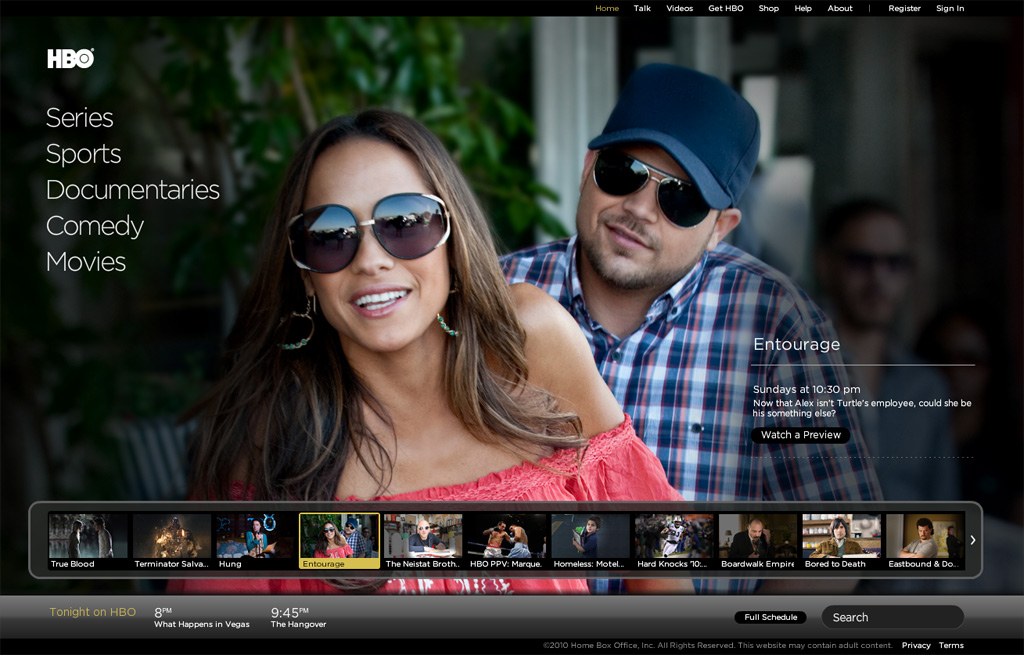
HBO.com was a next level web experience for a next level brand. One of the first websites to incorporate full frame video and provide content that extended the television experience into interactive. I was lead UX. My team had to dive into extensive content analysis to understand the scope of content and customer connection to HBO verticals. Fortunately this involved watching a lot of great TV, comedy, and sports, least among it the show Entourage, pictured below. We developed an information architecture with key exec stakeholders, collaborated with show-runners to brainstorm web content extensions, and performed usability testing. We delivered more than 500 pages of UX documentation and product specification, including a video player, full featured program guide, user authentication, and message boards – all designed from scratch.

HBO.com Homepage

Commure integrated medical systems prototype

HMS and EMR drive HCPs to GTFO

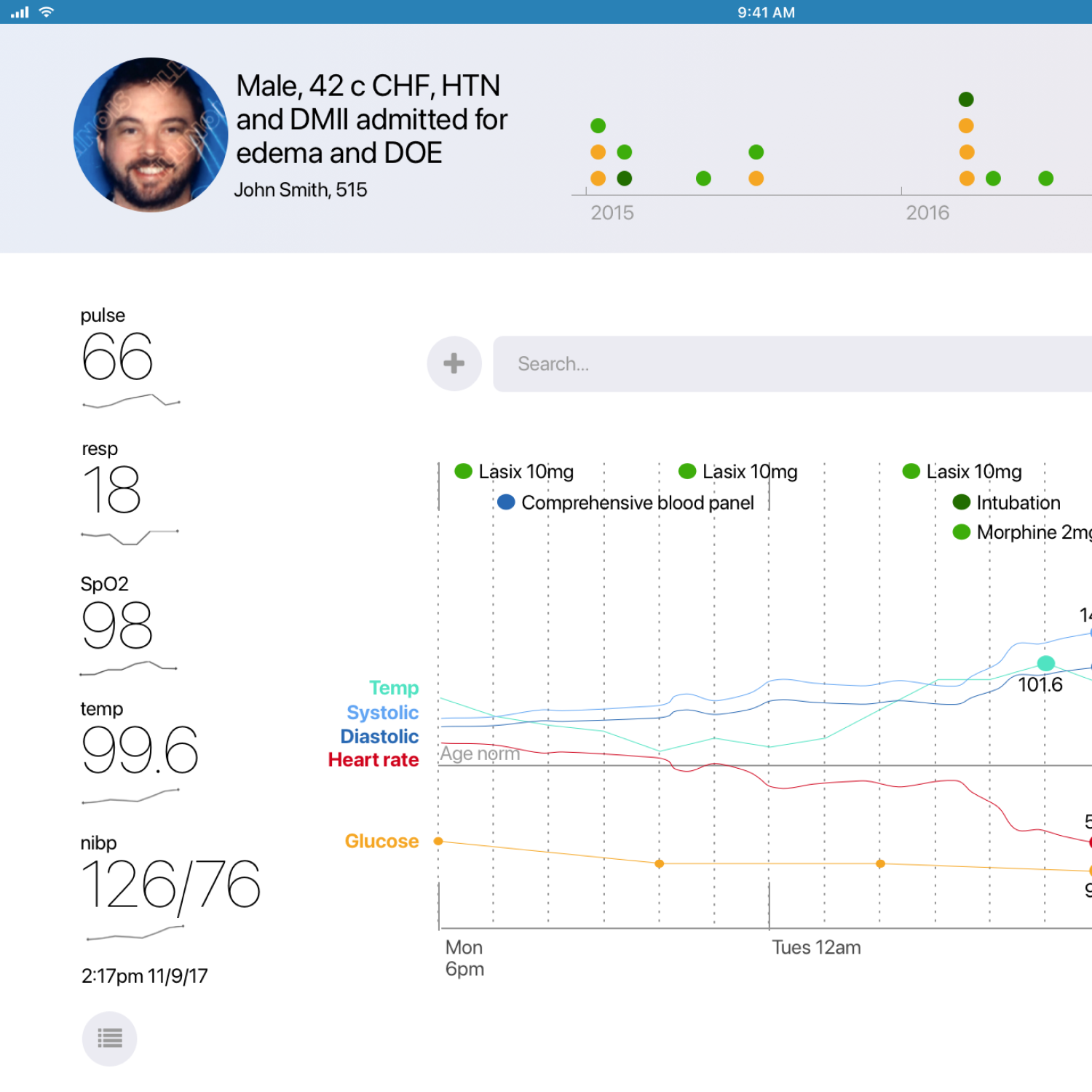
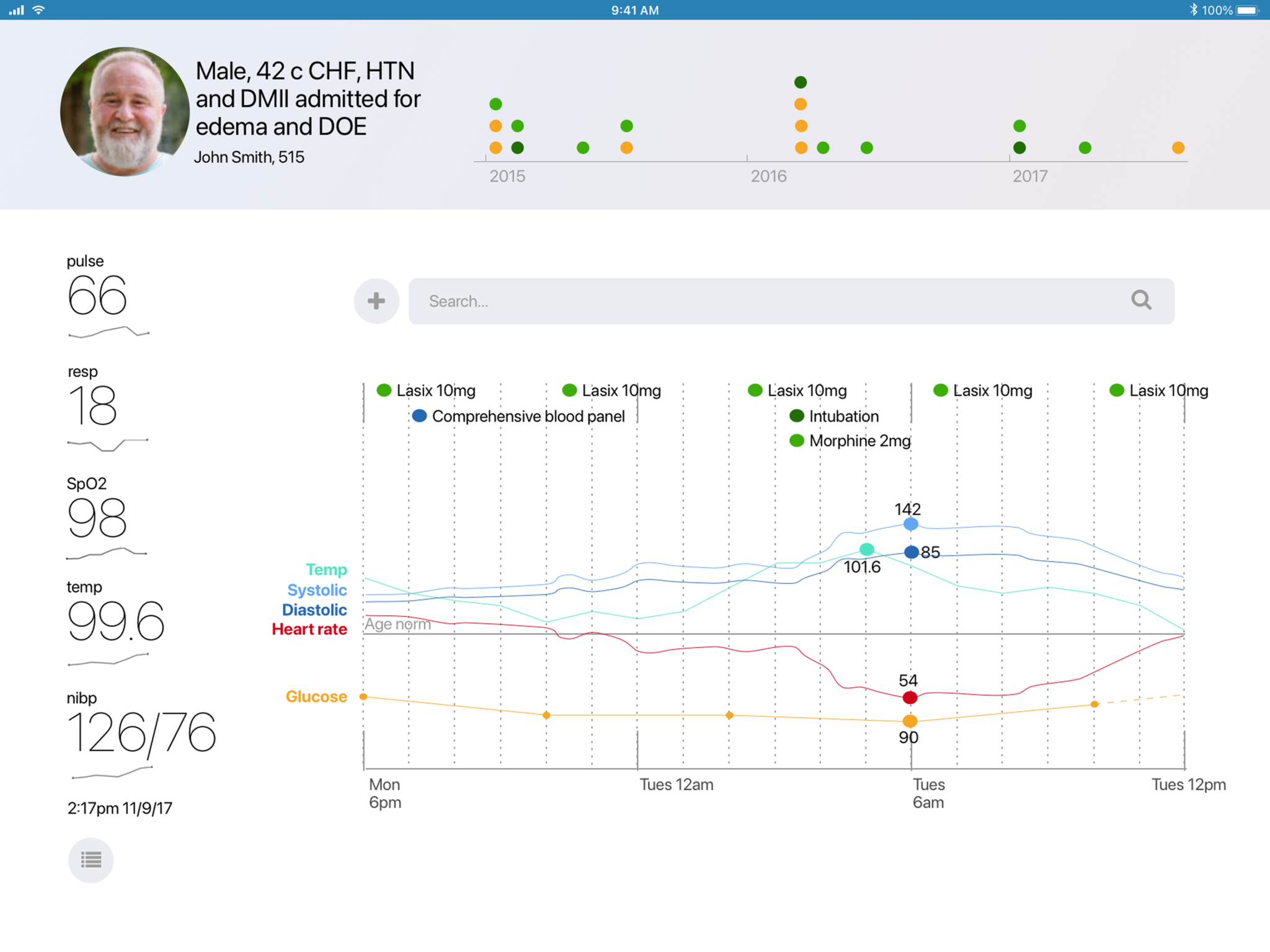
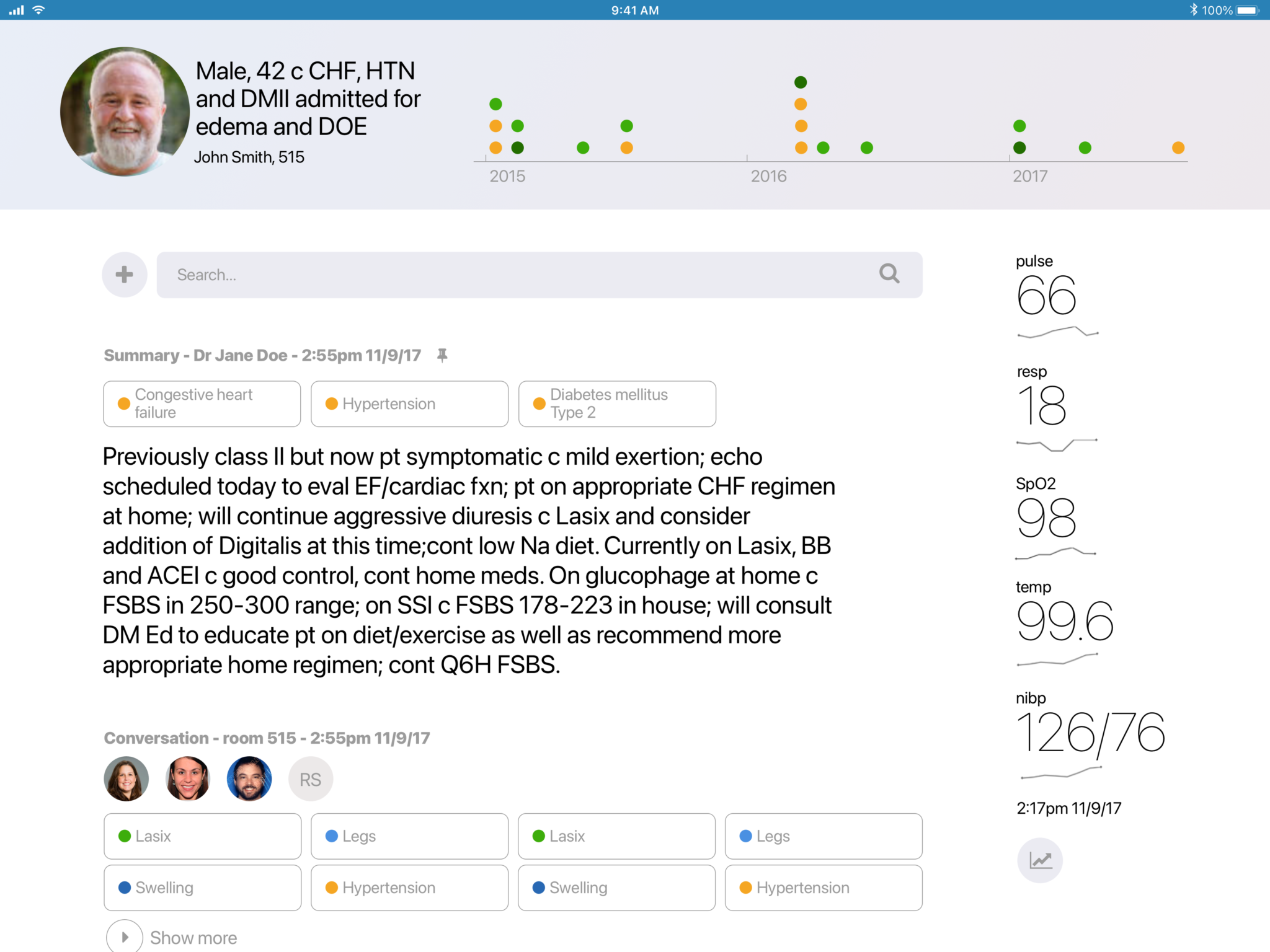
Healthcare professionals (HCPs) face an onslaught of documentation. It’s so bad, it actually causes a significant level of burnout and employee attrition. People spend all day on the computer instead of helping patients, get overloaded, and decide they can’t make it work. The root of the problem: a near total monopoly on Healthcare Management Systems and Electronic Medical Records by just two companies. With zero incentive to improve software usability, these companies have made zero investment in their UX. Commure was a (very well funded) angel stage healthcare startup with ambitions to take on and disrupt the monopoly holders (Epic and Cerner) by making software that actually works for users. My partner and I did a vision project for them covering two key areas – excessively difficult data entry, and fractured data views. We did research with eminent medical professionals and leaders including onsite ethnography at UCSF and delivered a code/design hybrid prototype. It could transcribe doctor/patient conversations and identify medically relevant tokens like conditions, medical orders, and medications and provided an integrated longitudinal visualization of patient status and medical records. We worked with the CEO and presented to the board and key investors. Commure is delivering on the promise of their initial concept – they’re valued somewhere north of $6 billion, closing a $200 million round in 2025.